🇰🇪 Kenya's Premier Agricultural Marketplace
Menu
🛒 Shop 📱 Trace 💬 Messages 🔐 Sign In

Test

Requirements for Drilling a Borehole in Kenya

Did you know that you cannot drill a borehole in Kenya without meeting specific conditions and obtaining the necessary approvals? Whether for domestic, agricultural, or commercial purposes, borehole drilling is highly regulated to ensure sustainable groundwater usage and environmental protection. This article outlines the crucial steps, permits, and reports needed before drilling a borehole in Kenya, with insights on how Muhuga Drilling Services can guide you through the entire process.

5 Essential Requirements for Drilling a Borehole in Kenya

1. Conducting a Hydrogeological Survey

Before you can drill a borehole, a hydrogeological survey is mandatory. This survey helps identify the most suitable drilling point, evaluates the underlying rock structure, and estimates the volume of water available beneath the surface.

Why Is a Hydrogeological Survey Important?

  • Identifies Water Availability: Determines the depth and potential yield of the borehole.
  • Estimates Drilling Costs: Different rock structures affect drilling expenses; rocky soils are typically less costly than loose soils.
  • Prevents Dry Boreholes: Reduces the risk of investing in a non-productive borehole.

With Muhuga Drilling Services, you can be assured of a thorough hydrogeological survey, ensuring accurate results and a viable borehole location.

2. Obtaining the Necessary Permits and Reports

Once the hydrogeological survey confirms the presence of water, the next step is obtaining the relevant permits. These permits are vital, even if the borehole is on private property, to ensure the protection of shared water resources and the environment.

Essential Permits for Borehole Drilling

a) Water Resources Authority (WRA) Permit

The WRA is responsible for managing water resources in Kenya. A permit from WRA confirms that your borehole project complies with water management regulations. The application requires:

  • The hydrogeological survey report.
  • Land ownership or lease documents.
  • Project description.

b) Environmental Impact Assessment (EIA) Report

An EIA is a detailed analysis of the potential environmental impacts of your borehole project. It identifies both positive and negative effects on the environment and people.

c) National Environment Management Authority (NEMA) Permit

Based on the EIA findings, the NEMA permit ensures that your borehole project poses no significant environmental risks. If satisfied, NEMA will issue the permit, allowing you to proceed with drilling.

d) Letter of No Objection and County Permit

With the devolution of water services, you’ll need a letter of no objection from the local water service provider and a permit from your county government. This step ensures that your borehole project does not interfere with existing water infrastructure or community water sources.

3. The Borehole Drilling Process

Once all permits are secured, drilling can commence. Muhuga Drilling Services provides a comprehensive package that includes:

  • Drilling: Using advanced equipment suited for different soil types.
  • Casing: Protecting the borehole from collapse and contamination.
  • Test Pumping: Assessing the water yield and sustainability.
  • Water Quality Testing: Ensuring the water is safe for its intended use.

4. Why Permits and Regulations Are Necessary

Kenya’s borehole drilling regulations are designed to ensure that water resources are used sustainably and equitably. Without proper controls, over-extraction can lead to:

  • Depletion of groundwater resources
  • Water contamination
  • Negative environmental impacts

These permits also help identify areas that may be unsuitable for borehole drilling due to insufficient water supply or potential environmental risks.

5. How Muhuga Drilling Services Can Help

Navigating the complex process of borehole drilling in Kenya can be challenging. At Muhuga Drilling Services, we streamline the process by:

  • Conducting comprehensive hydrogeological surveys.
  • Assisting with permit applications from WRA, NEMA, and local authorities.
  • Offering expert drilling and water testing services.

We ensure that your project complies with all regulatory requirements, providing a seamless and successful borehole drilling experience from start to finish.

The Bottom Line

Drilling a borehole in Kenya involves more than just drilling into the ground. It requires careful planning, adherence to legal regulations, and obtaining multiple permits to protect the environment and community resources. Whether you need a borehole for domestic, agricultural, or commercial use, complying with these requirements is essential.

For expert assistance in navigating the borehole drilling process, contact Muhuga Drilling Services at +254 728 163329. We are committed to guiding you through every step, ensuring your borehole project is successful, compliant, and efficient.

FAQs on Requirements for Borehole Drilling in Kenya

What are the requirements for drilling a borehole in Kenya?

To drill a borehole in Kenya, you need:
A hydrogeological survey to determine water availability.
A Water Resources Authority (WRA) permit for water resource management.
An Environmental Impact Assessment (EIA) report to assess environmental impact.
A NEMA permit for environmental protection.
A letter of no objection and a county permit from local authorities.

Is a hydrogeological survey mandatory before drilling a borehole?

Yes, a hydrogeological survey is mandatory. It identifies the availability of groundwater, the type of rock structure, and the optimal drilling location. This survey minimizes the risk of drilling a non-productive borehole and helps estimate costs.

Can I drill a borehole on private property without permits?

No, even if the borehole is on private property, you must obtain all necessary permits. Water is considered a shared national resource, and drilling without permits is illegal. Compliance with regulations ensures sustainable water management and avoids penalties.

What is the purpose of the Environmental Impact Assessment (EIA) report?

The EIA report evaluates the potential environmental impacts of the borehole project. It identifies both positive and negative effects on the environment and local communities. Approval from NEMA based on this report is required before drilling can commence.

Why do I need a letter of no objection from local water service providers?

A letter of no objection ensures that your borehole project does not interfere with existing water infrastructure or local water supply plans. It also confirms that your project is aligned with county water regulations, making it a crucial step in the approval process.
For assistance navigating these requirements, contact Muhuga Drilling Services at +254 728 163329. We’ll guide you through the entire process, ensuring all permits are secured efficiently.

Must Read:

Borehole Drilling in Kenya

Access to a reliable water supply is essential for households, businesses, and agricultural activities in Kenya. As water shortages become more common due to erratic rainfall and growing demand, borehole drilling has emerged as a sustainable solution. Whether you need water for domestic use, farming, or industrial purposes, Muhuga Drilling Services provides professional borehole drilling in Kenya tailored to meet your specific needs. This guide offers an in-depth look at the costs, processes, and benefits of borehole drilling across various counties in Kenya.

Why Borehole Drilling is Essential in Kenya

Kenya’s climate is characterized by long dry spells and irregular rainfall, leading to frequent water shortages. Many rural and urban areas suffer from unreliable municipal water supplies, making boreholes a practical alternative. Boreholes provide a steady supply of clean water, reducing dependency on unpredictable sources and ensuring water availability for households, farms, and industries.

Benefits of Drilling a Borehole in Kenya

  1. Consistent Water Supply
    A borehole guarantees year-round access to water, especially in drought-prone areas. This stability is crucial for farming and livestock, as well as for maintaining domestic water needs.
  2. Cost-Effective in the Long Run
    Although the initial investment in drilling a borehole can be high, it eliminates monthly water bills. Over time, the savings on water costs make borehole drilling a financially sound decision.
  3. Enhanced Property Value
    Properties with a reliable water source are more valuable. A borehole increases the market value of residential, commercial, and agricultural properties, making them more attractive to potential buyers.
  4. Self-Sufficiency and Independence
    Having a borehole reduces dependence on municipal water supplies, ensuring that you remain unaffected by water shortages or rationing during dry seasons.

Borehole Drilling Costs in Kenya

The cost of drilling a borehole in Kenya varies based on factors such as location, soil type, and depth. Generally, counties with hard rock formations are less expensive to drill in than those with loose or waterlogged soils. Here’s a breakdown of the typical costs per meter for air drilling across various counties:

Drilling Borehole Price in Kenya (Per Meter Per County)

CountyCost (Min)Cost (Max)
NairobiKES 6,100KES 9,500
KajiadoKES 6,500KES 9,500
MachakosKES 6,500KES 9,500
KituiKES 6,600KES 9,500
MakueniKES 6,500KES 9,500
KiambuKES 6,500KES 9,500
NakuruKES 6,500KES 9,500
KisumuKES 6,500KES 9,500
TurkanaKES 8,000KES 9,500
BungomaKES 6,500KES 9,500
BusiaKES 7,700KES 9,500
NarokKES 6,800KES 9,500
MombasaKES 7,000KES 9,500
KilifiKES 7,500KES 9,500
KwaleKES 7,600KES 9,500
BaringoKES 6,900KES 9,500
SiayaKES 6,500KES 9,500
HomabayKES 6,500KES 9,500
Uasin GishuKES 6,500KES 9,500
BudalangiKES 6,500KES 11,000

These costs cover:

  • Drilling: Creating the borehole to the required depth.
  • Casing Installation: Lining the borehole to prevent collapse.
  • Test Pumping: Ensuring water availability and flow rate.
  • Water Quality Analysis: Confirming the safety of the water.

Types of Borehole Drilling in Kenya

1. Air Drilling

Air drilling is widely used in rocky terrains where the ground is solid and less likely to collapse. Compressed air lifts rock cuttings to the surface, making the process efficient and clean. This method is generally faster and less costly in hard soils.

2. Wet Drilling

Wet drilling is used in areas with loose or water-saturated soils, where stabilizing the borehole is necessary to prevent collapse. Although more expensive, it ensures the borehole remains intact during and after drilling, providing a long-term water source.

Steps in Borehole Drilling

  1. Site Survey and Feasibility Study
    Before drilling, a survey is conducted to assess groundwater availability and determine the best location for the borehole.
  2. Permits and Legal Requirements
    In Kenya, borehole drilling requires permits from relevant authorities, such as the Water Resources Authority (WRA), to ensure legal compliance.
  3. Drilling Process
    Depending on the soil type, either air or wet drilling methods are employed to reach the water table. This process involves creating a well to the required depth.
  4. Casing and Grouting
    Casing pipes are inserted into the borehole to prevent it from collapsing. Grouting is used to seal any gaps between the casing and borehole walls.
  5. Test Pumping and Water Quality Analysis
    Test pumping determines the yield and sustainability of the water source. Water samples are then analyzed to ensure safety and compliance with health standards.

Why Choose Muhuga Drilling Services?

At Muhuga Drilling Services, we pride ourselves on delivering high-quality, reliable, and affordable borehole solutions. Here’s why we stand out:

  • Experienced Team: Our team has extensive experience in handling different terrains across Kenya.
  • Modern Equipment: We use advanced drilling rigs and tools for efficiency and precision.
  • Comprehensive Services: From initial surveys to water quality analysis, we handle every step of the process.
  • Affordable Pricing: We offer competitive rates without compromising quality.

Contact Muhuga Drilling Services in Kenya

Looking for reliable borehole drilling services in Kenya? At Muhuga Drilling Services, we are dedicated to delivering efficient and cost-effective water solutions. Contact us at +254 728 163329 for expert guidance and a free consultation.

Invest in a borehole today and secure your water future with Muhuga Drilling Services!

Requirements for Drilling a Borehole in Kenya

Access to clean and reliable water is a necessity, particularly in regions where municipal water supply is inconsistent or insufficient. Borehole drilling has become an essential solution for many Kenyans, offering a dependable water source for domestic, agricultural, and commercial use. However, the process of drilling a borehole involves several legal, technical, and environmental requirements. This article outlines the key requirements for drilling a borehole in Kenya, helping individuals and organizations navigate the process efficiently and legally.

1. Preliminary Site Survey and Feasibility Study

Before embarking on a borehole drilling project, a hydrogeological survey must be conducted to determine the availability of groundwater. This survey assesses the site’s water table depth, soil composition, and potential yield. A certified hydrogeologist performs this study and provides a report that will be necessary for obtaining drilling permits.

Importance of a Hydrogeological Survey:

  • Identifies viable water sources
  • Minimizes the risk of dry boreholes
  • Ensures efficient drilling process

2. Permits and Approvals

Drilling a borehole in Kenya requires multiple permits to ensure compliance with environmental and water resource management regulations. The primary regulatory body overseeing this process is the Water Resources Authority (WRA).

Key Permits Required:

  1. WRA Permit
    • This permit is mandatory before any drilling activity begins. The application involves submitting the hydrogeological survey report, proof of land ownership or lease agreement, and a project description.
  2. Environmental Impact Assessment (EIA)
    • Conducted by the National Environment Management Authority (NEMA), an EIA assesses the potential environmental effects of drilling the borehole. Projects with significant environmental impacts may require additional mitigation measures before approval.
  3. Drilling Authorization from Local Authorities
    • Depending on the county, you may need additional approval from local government offices to ensure compliance with community water management policies.

3. Engagement of Licensed Drilling Contractors

To ensure the borehole is drilled according to legal and technical standards, you must hire a licensed borehole drilling contractor. The contractor should be registered with the WRA and experienced in handling diverse soil and geological conditions in Kenya.

What to Look for in a Drilling Contractor:

  • Valid WRA license
  • Proven track record in borehole drilling
  • Modern equipment and skilled workforce
  • Comprehensive services, including casing, test pumping, and water analysis

4. Technical Requirements During Drilling

a) Drilling Depth and Casing

The depth of the borehole depends on the water table and soil type. Proper casing must be installed to prevent the borehole from collapsing and to protect the water source from contamination. Casing pipes are typically made of steel or PVC, depending on the borehole’s purpose and budget.

b) Grouting

Grouting involves sealing the space between the borehole wall and the casing pipe to prevent surface contaminants from seeping into the water supply. This step is crucial in ensuring long-term water safety.

c) Pump Installation

A suitable pump must be installed to draw water from the borehole. The choice of pump depends on factors such as borehole depth, yield, and intended use of the water. Submersible pumps are commonly used for deeper boreholes, while surface pumps are suitable for shallow ones.

5. Test Pumping and Water Quality Analysis

Once the borehole is drilled, test pumping is conducted to assess the yield and sustainability of the water source. This process determines the borehole’s capacity to supply water continuously without depletion.

After test pumping, water quality analysis is performed to ensure the water meets safety standards for its intended use. The analysis checks for:

  • Bacterial contamination
  • Chemical composition (e.g., pH levels, mineral content)
  • Turbidity and clarity

6. Borehole Registration

After successful drilling and testing, the borehole must be registered with the WRA. Registration involves submitting the final borehole completion report, water quality results, and a detailed borehole design. Registered boreholes are issued a certificate, making their use legal and recognized by authorities.

7. Community Engagement and Consent

In some areas, community consent may be necessary, especially in regions where water resources are shared. Engaging local leaders and community members can help mitigate potential conflicts and ensure harmonious coexistence.

8. Ongoing Maintenance and Monitoring

Regular maintenance is essential to ensure the borehole remains functional and safe over time. Maintenance involves cleaning the pump, inspecting the casing, and conducting periodic water quality tests. Additionally, the WRA may require annual reports on water usage to monitor groundwater resources.

FAQs on Borehole Drilling in Kenya

How Much Does Borehole Drilling Cost in Kenya?

The cost of borehole drilling in Kenya varies by county, soil type, and depth. On average, drilling costs range between KES 6,100 and KES 11,000 per meter. Counties with rocky soils, like Nairobi and Nakuru, tend to have lower costs than those with loose soils, such as Budalangi and Kilifi. To get an accurate estimate, contact professional borehole drilling services in Kenya, like Muhuga Drilling Services, at +254 728 163329 for a consultation.

What Permits Are Required for Borehole Drilling in Kenya?

Before drilling a borehole, you need permits from the Water Resources Authority (WRA) to ensure compliance with environmental and water management regulations. The process typically involves a site survey and submission of an application with environmental and hydrological assessments. Engaging experienced borehole drilling companies in Kenya ensures the necessary documentation and approvals are obtained.

How Long Does the Borehole Drilling Process Take?

The time required to drill a borehole depends on factors like soil type, depth, and weather conditions. Generally, drilling can take between 7 to 14 days. Hiring reputable borehole drilling services in Kenya ensures efficient project completion, including drilling, casing, test pumping, and water quality analysis.

Is Borehole Water Safe for Drinking?

Yes, borehole water can be safe for drinking after proper testing and treatment. Water quality analysis is essential to detect any contaminants, such as minerals, bacteria, or pollutants. At Muhuga Drilling Services, we provide comprehensive water testing to ensure your borehole water meets safety standards, making it safe for both domestic and commercial use.

What Types of Borehole Drilling Methods Are Used in Kenya?

The two main types of drilling methods are:
Air Drilling: Ideal for rocky terrains and cost-effective due to faster drilling.
Wet Drilling: Suitable for loose or water-saturated soils where stabilizing the borehole is necessary.
Both methods are offered by professional borehole drilling services in Kenya to ensure stability and long-term water supply reliability based on soil conditions.

Also Read:

Irrigation Pipes for Sale in Nakuru

Irrigation is a crucial aspect of farming, especially in regions like Nakuru, where unpredictable weather patterns often affect crop productivity. To ensure consistent water supply for your crops, investing in high-quality irrigation pipes is essential. At Eunidrip Irrigation Systems, we offer top-notch irrigation pipes for sale in Nakuru, designed to cater to the needs of both small-scale and large-scale farmers.

Types of Irrigation Pipes for Sale in Nakuru

We provide a variety of irrigation pipes that are suitable for different farming needs. These pipes are made from durable materials like HDPE and PVC, ensuring longevity and resistance to the tough outdoor conditions often experienced in Nakuru.

1. HDPE Pipes

HDPE (High-Density Polyethylene) pipes are known for their flexibility, strength, and resistance to UV radiation. These pipes are ideal for farmers who need reliable water supply systems that can withstand high pressure. HDPE pipes are perfect for all seasons, whether in the hot sun or cold temperatures, ensuring that they last longer without degradation.

Key benefits:

  • Highly flexible and easy to install
  • Resistant to corrosion and UV damage
  • Available in various sizes to meet different water flow needs
  • Ideal for large-scale farming operations

2. PVC Pipes

PVC (Polyvinyl Chloride) pipes are lightweight and easy to transport, making them a popular choice for farmers looking to install a simple irrigation system. These pipes are resistant to corrosion, meaning they will not deteriorate even with continuous water flow over time. PVC pipes are great for farmers with small to medium-sized plots who want an affordable and efficient irrigation system.

Key benefits:

  • Affordable and easy to install
  • Resistant to rust and chemical corrosion
  • Available in multiple sizes
  • Suitable for medium-scale irrigation systems

3. Polythene Tubing

Polythene tubing is widely used in drip irrigation systems, especially for vegetable farming. These tubes are flexible, lightweight, and resistant to UV radiation, making them an excellent option for farmers looking to set up a drip irrigation system. They are available in various sizes, from small to medium diameters, and are easy to install.

Key benefits:

  • Flexible and easy to handle
  • Resistant to UV rays
  • Ideal for drip irrigation setups
  • Perfect for small-scale farming

4. Swing Pipes

Swing pipes are commonly used to connect sprinklers and other irrigation components to the mainline HDPE or PVC pipes. These pipes are tough and thick, providing additional strength to protect them from detachment or bursting due to high water pressure. Farmers who use sprinklers for their irrigation system will find swing pipes essential for a reliable and efficient setup.

Key benefits:

  • Strong and durable
  • Can handle high water pressure
  • Ideal for sprinkler irrigation systems

Irrigation Pipe Sizes Available in Nakuru

At Eunidrip Irrigation Systems, we understand that each farm has unique requirements. Therefore, we offer a wide range of pipe sizes to cater to different irrigation needs. Our irrigation pipes come in sizes ranging from 16mm to 630mm, suitable for everything from small garden setups to large commercial farms.

Here are some common sizes and their applications:

  • 16mm to 32mm: Ideal for small-scale drip and sprinkler irrigation systems.
  • 40mm to 90mm: Suitable for medium-scale farms requiring higher water flow rates.
  • 110mm to 315mm: Great for large-scale farming with extensive irrigation needs.
  • 355mm to 630mm: Used in major commercial operations or community water distribution systems.

The internal diameter of the pipe you choose will determine the volume of water it can transport. Larger farms will typically require larger pipes to ensure a consistent water supply to all areas.

Why Choose Eunidrip Irrigation Systems for Irrigation Pipes for Sale in Nakuru?

1. High-Quality Materials

All our irrigation pipes are made from high-quality materials like HDPE and PVC, ensuring they can withstand the demands of farming in Nakuru’s varied climate. These materials are resistant to UV rays, corrosion, and chemical degradation, making them durable and reliable over time.

2. Affordable Prices

We offer competitive prices on all our irrigation pipes, ensuring that you get the best value for your investment. Our wide range of sizes allows you to choose the most appropriate pipe for your needs without overpaying for unnecessary features.

Here is a general price range for some of our common sizes:

  • 16mm – KSh 1,500 (per 100m)
  • 25mm – KSh 2,800 (per 100m)
  • 50mm – KSh 10,000 (per 100m)
  • 63mm – KSh 15,000 (per 100m)

3. Customization Options

We offer custom pipe sizes and configurations to meet the specific needs of your irrigation system. Whether you need long pipes for large farms or specialized fittings for complex setups, Eunidrip Irrigation Systems has you covered.

4. Expert Installation and Support

Our team of irrigation experts is available to help you design, install, and maintain your irrigation system. We offer comprehensive support, from selecting the right pipe size to ensuring proper installation, ensuring that your irrigation system runs smoothly for years to come.

Where to Buy Irrigation Pipes in Nakuru

Eunidrip Irrigation Systems is your go-to supplier for irrigation pipes in Nakuru. We are conveniently located and offer delivery services across the region. Whether you need pipes for a small garden or a large farm, we have the right products to meet your needs.

Visit our Nakuru branch or contact us today to learn more about our products and services. We are committed to providing high-quality irrigation solutions at affordable prices.

FAQ on Irrigation Pipes for Sale in Nakuru

What types of irrigation pipes are available in Nakuru?

At Eunidrip Irrigation Systems, we offer a wide range of irrigation pipes, including:
HDPE pipes (High-Density Polyethylene)
PVC pipes (Polyvinyl Chloride)
Polythene tubing for drip irrigation
Swing pipes for sprinkler connections
Each type is designed to cater to different irrigation needs, ensuring efficiency and durability.

What sizes of irrigation pipes are available?

We provide irrigation pipes in various sizes, ranging from 16mm to 630mm. The pipe size you need depends on the scale of your farm and the amount of water you require. Larger pipes are typically used for large-scale farming, while smaller pipes are suitable for gardens and small plots.

Which pipe material is best for irrigation in Nakuru?

What types of irrigation pipes are available in Nakuru?
At Eunidrip Irrigation Systems, we offer a wide range of irrigation pipes, including:
HDPE pipes (High-Density Polyethylene)
PVC pipes (Polyvinyl Chloride)
Polythene tubing for drip irrigation
Swing pipes for sprinkler connections
Each type is designed to cater to different irrigation needs, ensuring efficiency and durability.
What sizes of irrigation pipes are available?
We provide irrigation pipes in various sizes, ranging from 16mm to 630mm. The pipe size you need depends on the scale of your farm and the amount of water you require. Larger pipes are typically used for large-scale farming, while smaller pipes are suitable for gardens and small plots.

How do I choose the right size of irrigation pipe?

The size of the pipe you need depends on the area you intend to irrigate and the amount of water required. A larger farm will typically require pipes with a larger internal diameter to ensure efficient water delivery. We recommend consulting with our irrigation experts to determine the best pipe size for your needs.

What are the price ranges for irrigation pipes in Nakuru?

Our irrigation pipes are priced based on their size. Here is a general price guide:
16mm: KSh 1,500 (per 100m)
25mm: KSh 2,800 (per 100m)
50mm: KSh 10,000 (per 100m)
63mm: KSh 15,000 (per 100m)
Prices vary depending on the size and type of material, so contact us for an exact quote based on your requirements.

Do you offer installation services for irrigation pipes?

Yes, Eunidrip Irrigation Systems provides professional installation services for all irrigation systems in Nakuru. Our team of experts will help design, install, and maintain your irrigation setup, ensuring maximum efficiency and longevity.

Must Read:

Irrigation Pipes for Sale in Kenya

Eunidrip Irrigation Systems is a leading supplier of irrigation pipes for sale in Kenya, catering to both large-scale and small-scale farmers. We offer a wide range of high-quality pipes, customized to meet the specific needs of Kenyan farmers. Our irrigation pipes are durable, UV-resistant, and made from materials designed to withstand the harsh African climate, ensuring long-lasting performance in any farming environment.

Benefits of Using Eunidrip Irrigation Pipes in Kenya

Our irrigation pipes are made from tough, UV-resistant polythene material, designed to endure direct sunlight and other extreme environmental conditions. This makes them ideal for both open-field and greenhouse farming. Additionally, the pipes come in various sizes and fittings, allowing farmers to easily install them in any type of terrain or irrigation system.

Types of Irrigation Pipes for Sale

At Eunidrip Irrigation Systems, we offer various types of irrigation pipes that are categorized based on the material they are made of, their durability, and their size. Below is an overview of the key types of water pipes we offer:

1. HDPE Pipes

High-Density Polyethylene (HDPE) pipes are some of the most popular irrigation pipes in Kenya due to their flexibility, strength, and durability. HDPE pipes are commonly used to deliver water for irrigation because they:

  • Are highly flexible, making it easy to install them in different terrains.
  • Can be easily cut and drilled for making connections.
  • Are resistant to bursting, even under high water pressure, making them suitable for long-term use.

Connection Methods: HDPE pipes are joined through heat fusion, where the pipe is heated and expanded to fit into another. This ensures a secure, leak-proof connection. Installation methods include open trench, drop burial, and directional bore.

2. PVC Pipes

PVC (Polyvinyl Chloride) pipes are another popular option for irrigation systems. These pipes are lightweight, corrosion-resistant, and UV-resistant. They are commonly used for transporting water, sewage, and other fluids.

  • Advantages:
    • Corrosion-resistant, ensuring a longer lifespan.
    • Resistant to UV radiation, preventing degradation from exposure to sunlight.
    • Available in a wide range of sizes and diameters.
  • Fittings: PVC pipes come with a variety of fittings such as couplings, elbows, and tees to ensure flexibility and versatility in installation.

3. Polythene Tubing (Poly Pipe)

Polythene tubing, also known as poly pipe, is commonly used in small-scale irrigation systems. These pipes are made from flexible plastic materials, making them easy to handle during installation.

  • Benefits:
    • Resistant to corrosion and UV radiation.
    • Available in different sizes, with diameters ranging from ¼ inches to 2 inches.
    • Suitable for use with various poly pipe fittings, including couplings, elbows, adapters, and tees.

4. Swing Pipes

Swing pipes are commonly used to connect pop-up sprinklers and rotors to PVC or HDPE mainlines in irrigation systems. They are thicker than regular pipes, providing extra strength and protection against bursting or detachment under high water pressure.

  • Application: Swing pipes are ideal for use in areas where flexibility and reliability are needed, such as lawn irrigation systems or small-scale garden irrigation setups.

Advantages of HDPE Pipes for Irrigation

HDPE pipes are the most efficient and effective pipes for irrigation, as they can withstand both high and low temperatures, making them suitable for use in all seasons. Whether you’re dealing with cold winters or hot summers, HDPE pipes will continue to deliver water efficiently without bursting or degrading.

Prices of Irrigation Pipes in Kenya

Below are the prices for some of the most common sizes of irrigation pipes available at Eunidrip Irrigation Systems:

SizePrice for 100 m (KES)
16 mm1,500
20 mm2,500
25 mm2,800
32 mm4,800
40 mm7,000
50 mm10,000
63 mm15,000

These prices are competitive and reflect the high quality of the irrigation pipes we offer. Our pipes are designed to provide value for money by reducing maintenance costs and ensuring long-term use.

Why Choose Eunidrip Irrigation Systems?

  • Quality Products: We ensure that all our irrigation pipes meet international standards for durability and performance.
  • Customization: Our pipes come in various sizes, and we can customize them to fit your specific irrigation needs.
  • Expert Advice: Our team of experts is always available to offer advice and support on selecting the right type of irrigation pipe for your farm.
  • Affordable Prices: We offer some of the most competitive prices in Kenya, ensuring that farmers can access quality products without breaking the bank.

Irrigation Pipe Fittings Available at Eunidrip Irrigation Systems

To complement our range of pipes, we also provide a wide variety of irrigation pipe fittings, including:

  • Couplings: Used to join two sections of pipe, ensuring a secure and leak-proof connection.
  • Elbows (45° and 90°): Used to change the direction of water flow within the irrigation system.
  • Tees: Ideal for branching water flow in different directions.
  • End Caps: Seal off the end of a pipe to prevent water from escaping.
  • Reducers: Used to connect pipes of different diameters, allowing for effective flow management.
  • Saddles: Allow for easy branching of water lines without cutting the main pipe.
  • Ball Valves: Control water flow by opening or closing sections of the irrigation system.

Where to Buy Irrigation Pipes in Kenya

If you’re looking for high-quality irrigation pipes in Kenya, Eunidrip Irrigation Systems is your best choice. We have branches in Eldoret and Nairobi, making it easy for farmers across the country to access our products.

We pride ourselves on offering the best irrigation pipes and fittings at the most affordable prices. Whether you need HDPE pipes, PVC pipes, polythene tubing, or swing pipes, we have a wide selection to meet your irrigation needs.

Irrigation Pipe Sizes in Kenya

When it comes to setting up an efficient irrigation system, one of the most crucial factors to consider is the size of the irrigation pipes. The pipe size determines the volume of water that can be delivered to crops, and it directly impacts the overall performance of the irrigation system.

What is Pipe Size?

The pipe size refers to the internal diameter of the pipe. This diameter dictates the volume of water that the pipe can transport at any given time. The larger the internal diameter, the more water the pipe can carry, but this also means that the pipe will be more expensive. Larger pipes are essential for larger farms or systems requiring high water output.

At Eunidrip Irrigation Systems, we offer a variety of HDPE and PVC irrigation pipe sizes to meet the needs of different farming operations. Our available pipe sizes include:

Common Irrigation Pipe Sizes:

  • 16mm
  • 25mm
  • 32mm
  • 40mm
  • 50mm
  • 63mm
  • 75mm
  • 90mm
  • 110mm
  • 125mm
  • 140mm
  • 160mm
  • 180mm
  • 200mm
  • 225mm
  • 250mm
  • 280mm
  • 315mm
  • 355mm
  • 400mm
  • 450mm
  • 500mm
  • 560mm
  • 630mm

Why Pipe Size Matters

The internal diameter of an irrigation pipe plays a critical role in determining how much water can flow through the system. For example, a grower irrigating 100 acres of land will require much larger pipes than someone irrigating a single acre, even if the crops are the same. This is because more water is needed to cover the larger area, and larger pipes ensure that enough water reaches every section of the farm.

  • Smaller pipes (such as 16mm to 50mm) are typically used for small-scale farms, drip irrigation systems, or areas with lower water pressure needs.
  • Larger pipes (ranging from 63mm to 630mm) are more suited for large-scale irrigation operations or areas requiring significant water flow.

Choosing the Right Pipe Size for Your Farm

When selecting irrigation pipe sizes, consider the following:

  1. Land Size: Larger areas require larger pipes to deliver sufficient water. For instance, if you’re irrigating vast fields, you will need a larger internal pipe diameter to maintain effective water flow.
  2. Crop Type: Different crops have different water needs. High-water-demand crops like sugarcane or rice may require larger pipes compared to crops like vegetables or fruits.
  3. Water Pressure: Higher water pressure allows smaller pipes to carry more water, but for low-pressure systems, a larger pipe may be necessary to achieve the required flow.
  4. System Type: For drip irrigation systems, smaller pipes are often used to distribute water directly to the plants’ roots, while larger pipes are used for mainlines in pivot or sprinkler irrigation systems.

Cost Implications of Pipe Size

As the pipe size increases, the cost also goes up. Larger pipes are made from more material and are designed to handle higher pressures and volumes of water. While larger pipes can be an investment, they are necessary for large-scale irrigation systems to ensure optimal water distribution.

For farmers considering an irrigation upgrade or installation, it’s essential to factor in both the size and the cost of the pipes needed for their operation. Smaller farms may not need large pipes, which helps reduce costs, but larger farms or farms with high water needs should budget for larger, more durable pipes.

Contact Us Today!

For inquiries about irrigation pipes for sale in Kenya or to place an order, contact Eunidrip Irrigation Systems today. Our knowledgeable team is ready to assist you in finding the perfect irrigation solution for your farm.

With our high-quality products and expert advice, you’ll be able to optimize your water management system and enhance your crop yields.

FAQs on Irrigation Pipes for Sale in Kenya

Here are some frequently asked questions (FAQs) about irrigation pipes for sale in Kenya to help you better understand the products and services offered by Eunidrip Irrigation Systems.

What types of irrigation pipes are available for sale?

At Eunidrip Irrigation Systems, we offer a wide range of irrigation pipes, including:
HDPE (High-Density Polyethylene) Pipes: Known for their flexibility, durability, and resistance to UV radiation.
PVC (Polyvinyl Chloride) Pipes: Lightweight, corrosion-resistant pipes that are ideal for transporting water in irrigation systems.
Polythene Tubing: Flexible tubing used for small-scale irrigation and drip irrigation systems.
Swing Pipes: Used to connect pop-up sprinklers and rotors to mainline HDPE or PVC pipes.

What sizes of irrigation pipes do you offer?

We provide a wide variety of pipe sizes to meet different irrigation needs. Our sizes range from 16mm to 630mm in diameter. Whether you need small pipes for drip irrigation or larger pipes for high-volume irrigation systems, we have the right size for your farm.

What materials are the irrigation pipes made from?

Our irrigation pipes are made from high-quality, durable materials such as HDPE and PVC. These materials are resistant to corrosion, UV radiation, and can withstand high pressure, ensuring long-lasting performance in various environmental conditions.

Are your irrigation pipes suitable for both small-scale and large-scale farming?

Yes, our irrigation pipes are suitable for both small-scale and large-scale farming operations. We provide pipe sizes and types that can cater to different levels of water demand, whether you’re irrigating a small garden or a large farm.

Do you offer fittings and accessories for irrigation pipes?

Yes, we provide a variety of fittings and accessories for irrigation pipes, including:
Couplings
Elbows
Tees
Adapters
End caps These fittings ensure that your irrigation system is efficiently connected and easy to maintain.

Must Read:

Bed Former for Hire in Kenya

In the evolving landscape of modern agriculture, efficiency and precision are paramount. For Kenyan farmers looking to optimize their farming practices, a bed former is an essential tool. Eunidrip Irrigation Systems is proud to offer top-notch bed former hire services across Kenya, providing farmers with the means to enhance their land preparation and maximize crop yield.

What is a Bed Former?

A bed former is an agricultural implement designed to create raised beds on the field. These raised beds are crucial for various types of farming, especially in areas where proper drainage and soil structure management are key to crop success. By forming consistent and well-shaped beds, this equipment ensures that water is distributed evenly, reducing waterlogging and promoting healthy root development. This is particularly beneficial for crops such as vegetables, strawberries, and other row crops that require precise planting conditions.

What does a bed former do?

A bed former is an agricultural implement used to shape the soil into raised beds for planting crops. Here’s what a bed former does:

  1. Creates Raised Beds: The primary function of a bed former is to shape the soil into raised beds, which are elevated mounds of soil that run parallel across the field. These raised beds provide a well-structured area for planting crops, improving soil aeration, and helping roots develop more efficiently.
  2. Improves Drainage: Raised beds formed by the bed former allow excess water to drain away more effectively, preventing waterlogging. This is particularly beneficial in regions with heavy rainfall or poorly draining soils, as it helps to avoid the issues of root rot and other water-related diseases.
  3. Enhances Soil Structure: By breaking up the soil and creating beds, a bed former improves soil structure. This process ensures that the soil is less compacted, making it easier for roots to penetrate and access nutrients and water.
  4. Promotes Even Crop Growth: The uniformity of the beds ensures that crops are planted at the same depth and spacing, which leads to more consistent growth and easier management. This uniformity also makes it easier to manage irrigation and fertilization, contributing to higher yields.
  5. Facilitates Efficient Irrigation: Bed formers create furrows between the raised beds, which can be used for efficient irrigation. Water can be directed along these furrows, ensuring that it reaches the roots of the plants without wastage.
  6. Supports Mechanized Farming: For farmers using mechanized tools for planting, weeding, and harvesting, the raised beds created by a bed former provide a clear and consistent layout that simplifies these operations, reducing labor and increasing efficiency.

In summary, a bed former is an essential tool for modern agriculture, helping to improve soil conditions, manage water effectively, and promote better crop growth.

Why Hire a Bed Former from Eunidrip Irrigation Systems?

  1. Cost-Effective Solutions: Purchasing a bed former can be a significant investment, especially for small to medium-sized farms. Eunidrip Irrigation Systems offers a cost-effective alternative by providing bed formers for hire, allowing farmers to access this essential equipment without the burden of a large upfront cost.
  2. High-Quality Equipment: At Eunidrip Irrigation Systems, we understand the importance of reliable and efficient equipment. Our bed formers are maintained to the highest standards, ensuring they perform optimally in the field. This reliability translates to better farm productivity and crop yield.
  3. Expertise and Support: Our team of agricultural experts is available to provide guidance on the best practices for using a bed former. Whether you’re a seasoned farmer or new to the practice, we ensure you get the most out of our equipment. Our support doesn’t end with the hire—we’re here to help you every step of the way.
  4. Nationwide Service: Eunidrip Irrigation Systems offers bed former hire services across Kenya. Whether you’re in the fertile lands of Rift Valley or the arid regions of Eastern Kenya, we ensure timely delivery and support to meet your farming needs.
  5. Tailored Solutions: Every farm is unique, and so are its requirements. We offer customized solutions to ensure that the bed former you hire is perfectly suited to your farm’s specific needs, soil type, and crop requirements.

How to Hire a Bed Former in Kenya

Hiring a bed former from Eunidrip Irrigation Systems is a simple and hassle-free process. Just give us a call at +254 728 163329, and our team will assist you in selecting the right equipment for your farm. We also provide a detailed briefing on the operational aspects to ensure you make the most out of your hire.

FAQ

What types of crops benefit most from using a bed former?

Bed formers are especially beneficial for crops that require well-drained soil and precise planting conditions. These include vegetables (such as carrots, onions, and tomatoes), strawberries, potatoes, and other row crops. Raised beds created by a bed former ensure optimal drainage, soil aeration, and root development, which are crucial for these crops.

Can I use a bed former on any type of soil?

Yes, bed formers can be used on various soil types, including clay, loam, and sandy soils. However, the effectiveness of the bed former may vary depending on soil conditions. In heavy clay soils, for instance, it may be necessary to perform additional tillage or soil preparation before using the bed former to ensure the beds are well-formed.

Do I need any special training to operate a bed former?

Operating a bed former generally requires basic knowledge of agricultural equipment and soil preparation. While it’s straightforward to use, we provide guidance and instructions when you hire a bed former from Eunidrip Irrigation Systems. Our team is also available to answer any questions and offer support to ensure you use the equipment effectively.

How does a bed former improve irrigation efficiency?

A bed former creates furrows between raised beds, which serve as channels for irrigation. This setup allows water to flow directly to the plant roots, reducing water wastage and ensuring even distribution. It’s particularly useful for drip or furrow irrigation systems, where precise water delivery is crucial for optimal plant growth.

Is it more cost-effective to hire a bed former rather than buying one?

For many farmers, especially those with small to medium-sized operations, hiring a bed former is more cost-effective than purchasing one. Hiring allows you to access the equipment when you need it without the significant upfront investment required for ownership. Additionally, Eunidrip Irrigation Systems maintains the equipment, so you don’t have to worry about maintenance or storage costs.

Chives Exporters in Kenya

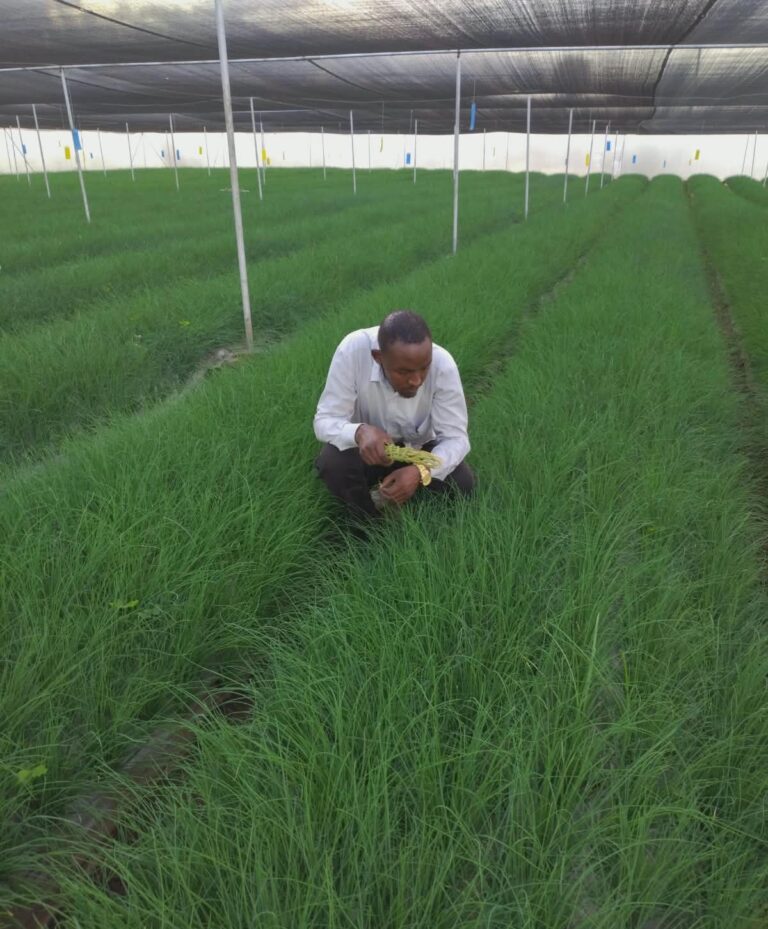
Welcome to Muhuga.com, your gateway to the vibrant world of premium chives cultivated in the lush fields of Kenya. As leading chives exporters in Kenya, we take pride in delivering unparalleled freshness and quality to kitchens around the globe. Allow us to unveil the essence of our chives, the meticulous export process, and why Muhuga.com stands as your trusted source for bulk chives.

Chives Exporters in Kenya

Muhuga.com proudly stands as the bridge connecting Kenyan farms to your culinary dreams. Our commitment to excellence extends from sourcing the finest chives to orchestrating seamless logistics, ensuring that each step is executed with utmost care and dedication.

Chive Prices in Kenya- best Price from Chives Exporters in Kenya

The wholesale market for chives features a pricing range from USD 2.30 to USD 4.20 per unit. When converted to Kenyan Shillings, the average wholesale cost stands at approximately KES 500 per kilogram. Kenya, recognized for producing some of the finest chives in East Africa, anticipates a potential decrease in market prices due to an expected increase in supply.

At Muhuga.com, our commitment to fair trade is reflected in our pricing structure. With a vast network of farmers, we directly source fresh chives, bypassing intermediaries that often contribute to price inflation. This approach ensures equitable compensation for farmers and prevents customers from being overcharged. For detailed information on our wholesale export prices, feel free to reach out to our customer support team. Alternatively, you can explore the option of purchasing fresh or dried chives by submitting a quote request on our website. Experience transparency and quality with Muhuga.com – your trusted partner in chive procurement.

The Muhuga.com Advantage – Your Ideal Chive Export Partner

  1. Direct Farm Partnerships: At Muhuga.com, we prioritize authenticity and freshness by establishing direct partnerships with Kenyan farms. By eliminating intermediaries, we guarantee our clients farm-fresh chives at competitive prices. This direct connection not only supports local farmers but also ensures that you receive the finest produce straight from the source.
  2. Quality Control: We understand the significance of premium quality in the culinary world. Every bunch of chives that leaves our hands undergoes rigorous inspection. Our stringent quality control measures ensure that only the best, most vibrant chives reach your doorstep. From color and texture to flavor, we meticulously assess each bunch to meet and exceed your culinary expectations.
  3. Customization: Recognizing the diverse needs of our clients, Muhuga.com offers a tailored approach to chive procurement. Whether you require a small bunch for your home kitchen or a truckload for your restaurant chain, we facilitate customization in quantities to match your specific requirements. Your order is crafted to suit your unique demands, ensuring a seamless integration into your culinary endeavors.
  4. Reliable Delivery: Preserving the freshness of our chives is non-negotiable. Muhuga.com boasts a trusted logistics network that guarantees swift and secure delivery to your doorstep. Our meticulous handling ensures that the journey from Kenyan farms to your kitchen is a seamless one, with the chives retaining their crispness and flavor throughout. You can rely on us for a consistent and reliable supply chain, supporting the continuity of your culinary creations.

Chives Exporters in Kenya

As Chives Exporters in Kenya, Muhuga.com envisions a culinary partnership that transcends geographical boundaries. Our dedication to providing exceptional chives is underlined by transparency, authenticity, and a commitment to sustainable agricultural practices. We bridge the gap between the lush fields of Kenya and kitchens worldwide, cultivating an experience that speaks of freshness, quality, and culinary inspiration.

Where To Buy Chives

If you’re in the market for premium chives and seeking a reliable partner for your culinary ventures, look no further than Muhuga.com. As your dedicated chive exporters, we cater to a diverse range of customers who appreciate the freshness, quality, and authenticity of our chive offerings. Whether you’re a home cook, chef, or a business owner in the culinary industry, Muhuga.com welcomes you to explore our world of farm-fresh chives and discover a culinary experience like no other.

Home Cooks

For home cooks with a penchant for quality ingredients, Muhuga.com is your go-to source for the freshest chives straight from Kenyan farms. Elevate your home-cooked meals with the vibrant flavor and crispness of our chives. Our customization options ensure you get the perfect quantity for your culinary creations, enhancing the taste and visual appeal of every dish.

Restaurants and Caterers

In the fast-paced world of restaurants and catering services, the demand for premium, consistent quality ingredients is paramount. Muhuga.com caters to the unique needs of chefs and business owners, offering bulk quantities of chives that meet rigorous quality standards. Our reliable delivery ensures a seamless supply chain for your culinary operations.

Food Manufacturers and Processors

Food manufacturers and processors looking for high-quality chives as key ingredients in their products can rely on Muhuga.com. We understand the importance of consistency and excellence in the food industry, and our chives are meticulously sourced and inspected to meet the specifications of your manufacturing processes.

Culinary Enthusiasts and Foodies

For those who consider themselves culinary enthusiasts and food connoisseurs, Muhuga.com provides an opportunity to explore and savor the distinct flavors of Kenyan chives. Our commitment to quality and authenticity ensures that you receive chives that not only meet but exceed your discerning taste buds’ expectations.

International Distributors

Muhuga.com welcomes partnerships with international distributors seeking a reliable source of premium chives for their markets. As experienced chive exporters in Kenya, we understand the intricacies of international trade and are committed to establishing long-term, mutually beneficial relationships with distributors worldwide.

Chives Harvesting, Sorting, and Packaging

Chives, those vibrant green shoots with a delightful oniony bite, add a delicious touch to countless dishes. But before they grace your meals, they undergo a delicate journey from field to fridge. Let’s delve into the fascinating process of chives harvesting, sorting, and packaging:

Harvesting

  • Timing is key: Chives are ready to harvest when they reach 6-8 inches in height and develop strong, vibrant bulbs. Harvesting starts in the morning when the dew has dried to preserve freshness and prevent bruising.
  • Gentle hands: Sharp knives or scissors are used to cut chives carefully above the soil line, leaving enough base for new growth. Avoid pulling, which can damage the plant.
  • Field sorting: Initial sorting happens right in the field. Damaged or discolored shoots are discarded, ensuring only the highest quality chives reach the next stage.

Sorting

  • Cleanliness is paramount: Harvested chives are transported to a cool, shaded area for further sorting. They’re washed thoroughly with clean water to remove any dirt or debris.
  • Quality control: Skilled workers meticulously sort the chives, discarding any with imperfections like yellowing leaves or insect damage. This ensures only the best-looking and freshest chives move forward.
  • Size matters: Depending on the target market, chives are often categorized by size. Thicker shoots might be destined for restaurants, while fine bundles cater to home cooks.

Packaging

  • Preserving freshness: Proper packaging is crucial for maintaining the chive’s crispness and vibrant color. They’re typically bundled with biodegradable rubber bands or tied with natural twine.
  • Moisture control: To prevent wilting, the bundles are often wrapped in damp paper towels or placed in breathable plastic sleeves. This maintains humidity without causing spoilage.
  • Cooling down: Chives thrive in cool temperatures. Depending on the distance to be traveled, they’re packed in insulated boxes with ice packs or stored in refrigerated facilities.

FAQ

What are the benefits of choosing Kenyan chive exporters?

Kenyan chives offer several advantages:
Exceptional Flavor: Grown under Kenyan sun, these chives boast a strong, vibrant taste superior to supermarket varieties.
Freshness: Direct farm partnerships ensure fast delivery and arrival of fresh, crisp chives at your doorstep.
Sustainable Practices: Many Kenyan farms prioritize eco-friendly practices like water conservation and minimal chemical use, offering a responsible choice.
Variety: Find diverse quantities to suit your needs, from small bunches for home cooks to bulk orders for restaurants and food businesses.

How can I find reliable chive exporters in Kenya?

Look for chives exporters in Kenya who:
Have a strong reputation and positive customer reviews.
Partner with Kenyan farms committed to sustainable practices.
Offer clear information about their chive varieties and growing methods.
Provide efficient logistics and ensure timely delivery.
Muhuga.com is a reputable Kenyan chive exporter fulfilling these criteria. We offer fresh, high-quality chives directly from Kenyan farms, delivered with care and commitment to sustainability.

What are some common uses for Kenyan chives?

Kenyan chives are incredibly versatile! You can use them to:
Add a fresh, oniony touch to eggs, omelets, and salads.
Infuse flavor into soups, stews, and sauces.
Garnish potatoes, pasta dishes, and dips.
Create delicious chive butter or pesto.

How can I ensure the safe handling and storage of Kenyan chives?

Follow these tips for optimal freshness and safety:
Store chives in a cool, dark place, ideally in the refrigerator.
Wash chives just before use and pat them dry.
Use chives within a few days for the best flavor and texture.

Statice flower exporters

Kenya stands as one of the world’s foremost flower producers, exporting a diverse range that includes roses, scabiosa, statice, and more. Statice flowers, in particular, have gained immense popularity in Kenya due to their vibrant hues and captivating fragrance. When seeking to make bulk purchases, engaging a reliable statice flower exporter becomes essential.

If you are in search of adept statice flower exporters capable of managing sizable orders, consider Muhuga.com. As a leading flower exporter and supplier specializing in agricultural products like vegetables, fruits, and flowers, Muhuga.com is well-equipped to fulfill your requirements. Bulk orders can be effortlessly placed by requesting a quote through our platform.

Statice flower exporters in Kenya

Muhuga.com, distinguished among statice flower exporters in Kenya, extends its reach to diverse markets, including China, Australia, the United States, the Netherlands, and more. Statice, with its enduring charm and resilience to climatic conditions and diseases, has entrenched itself in the Kenyan market both as a fresh and dried export. Whether you are interested in bulk orders for fresh or dried statice flowers, Muhuga.com is your reliable partner.

Originating from the Mediterranean and Central Asia, statice flowers belong to a family boasting over 120 unique species, each distinct in size, shape, and color. Initially, rose exports dominated the Kenyan flower industry. However, the emergence of NGOs and self-regulating organizations, notably the Kenya Flower Council (KFC), played a pivotal role in introducing diverse varieties like statice to the market.

Statice flower prices in Kenya

Statice flower prices range from $15.50 to $19.90 per bunch, with each bunch containing 15 to 30 stems. In Kenyan Shillings, the price varies from Ksh. 1918.90 to Ksh. 2463.62. Stem lengths range from 12 to 20 inches.

However, pricing may adjust based on customer specifications when requesting a quote. For a more detailed pricing structure aligned with your requirements, request a quotation.

Harvesting, Sorting, and Packaging of Statice Flowers Our flowers are predominantly harvested in the morning or evening to maximize shelf life. The slant cut of flower stems enhances water uptake, ensuring freshness for an extended period. Sorting and grading commence immediately after harvesting, expediting order delivery.

Bunching occurs promptly after sorting and grading to minimize mechanical damage. Harvesting and processing take less than 4 hours.

We pack statice flowers in robust cardboard boxes resistant to friction. Our team maintains communication throughout harvesting, sorting, and packing, closely adhering to your order specifications. We guarantee customer satisfaction with every shipped order.

If you’re captivated by the delicate allure of statice flowers and are on the hunt for a reliable source to purchase them globally, look no further than Muhuga.com. Renowned for our commitment to quality and seamless international deliveries, Muhuga is your go-to destination for a diverse array of statice flower varieties. In this blog, we’ll explore the beauty of statice flowers and guide you on where to buy them, ensuring a delightful experience for clients around the world.

Why Choose Statice Flowers

Statice flowers, belonging to the genus Limonium, are known for their vibrant colors, including yellow, white, purple, lavender, and more. These blooms are not only visually stunning but also boast a resilience that makes them suitable for various environments. Whether you’re a floral enthusiast, event planner, or simply someone who appreciates the beauty of nature, statice flowers add a touch of elegance to any setting.

Statice Flowers Varieties Available at Muhuga.com

At Muhuga.com, we take pride in offering a diverse selection of statice flower varieties. From the classic English statice to the unique German statice and seafoam statice, our collection caters to different preferences and occasions. Each variety is meticulously cultivated in flower-growing regions such as Naivasha, Kiambu, Thika, Nakuru, and other parts of eastern Kenya.

Why we are the Leading Statice Flower Exporters in Kenya

  1. Reliability in Export: Muhuga.com stands out as a reliable statice flower exporter with a proven track record. Our experience in the industry ensures that clients receive fresh and high-quality flowers with every order.
  2. Seamless Global Logistics: We understand the importance of timely and secure deliveries, especially when it comes to perishable items like flowers. Muhuga.com has perfected the art of international logistics, ensuring that statice flowers reach clients across the globe within the shortest possible time frame.
  3. Certifications and Responsible Practices: Unlike other exporters, Muhuga.com is certified by reputable organizations like KePHIS and adheres to environmental codes such as the Lake Naivasha Riparian Organization and the National Environmental Management (NEMA). We prioritize responsible agricultural practices, ensuring sustainable and eco-friendly flower cultivation.

How to Order statice flowers in Kenya

Ordering statice flowers from Muhuga.com is a straightforward process. Clients can visit our user-friendly website, explore our extensive catalog of statice flower varieties, and place an order with just a few clicks. Our customer support team is always ready to assist with any inquiries or special requests, making the entire buying process smooth and hassle-free.

Must Read:

FAQ

What types of statice flowers does Muhuga.com export?

Muhuga.com prides itself on offering a vibrant and diverse selection of statice flowers to suit your every need. We cultivate a wide range of:
Colors: From classic lavender and white to vibrant pink, yellow, and blue, we have the perfect shade to add a pop of color to any arrangement.
Sizes: Whether you prefer dainty florets or bold statement pieces, we offer statice in various sizes and stem lengths to fit your design vision.
Varieties: Choose from stunning varieties like Limonium Latifolium with its large, open blooms, Limonium Sinuatum with its delicate lace-like flowers, or Limonium Peregrinum with its charmingly compact clusters.

What are the main countries Muhuga.com exports statice flowers to?

Our beautiful statice flowers grace homes and businesses across the globe! We are proud to be a leading exporter to:
Europe: Our flowers are highly sought-after in countries like the Netherlands, Germany, France, and the United Kingdom.
North America: We supply top-quality statice to the United States and Canada, adding a touch of Kenyan beauty to floral arrangements there.
Asia: Our vibrant blooms add a unique touch to bouquets and décor in countries like Japan, South Korea, and Singapore.
Africa: We are committed to supporting regional trade and supply statice to neighboring African countries.

What certifications does Muhuga.com hold to ensure the quality and sustainability of its flowers?

At Muhuga.com, quality and sustainability are paramount. We are proud to hold the following certifications:
GlobalG.A.P.: This internationally recognized certification assures food safety and environmental responsibility in our farming practices.
MPS-ABC: This certification program guarantees responsible use of water, energy, and other resources, minimizing our environmental impact.
Fairtrade International: We adhere to Fairtrade standards, ensuring fair wages and working conditions for our employees.

What is the minimum order quantity for statice flowers from Muhuga.com?

We cater to both small and large-scale needs. Our minimum order quantity is 1 box, allowing you to explore our offerings and find the perfect fit for your project.

What are the payment terms and shipping options offered by Muhuga.com?

We offer flexible payment terms (including Letters of Credit and T/T) to accommodate your financial needs. We partner with reliable shipping companies to ensure your flowers arrive fresh and on time. We offer air and sea freight options, with competitive rates tailored to your order size and destination.

Does Muhuga.com offer any discounts or bulk pricing for large orders?

Absolutely! We appreciate your larger orders and offer attractive discounts on bulk purchases. Contact our sales team for a personalized quote and discuss your specific requirements.

Flower Wholesale in Kenya

Kenya, the land of endless savannas and turquoise waters, boasts another vibrant treasure: its incredible flower industry. Renowned for its exceptional quality, diverse selection, and commitment to sustainability, Kenya is a leading exporter of fresh cut flowers, captivating the world with its floral magic. If you’re looking to enter the flourishing world of flower wholesale in Kenya, look no further than Muhuga.com, your trusted partner on this fragrant journey.

Why Choose Kenya for Flower Wholesale?

  • Unmatched Variety: Discover a breathtaking array of blooms, from classic roses and lilies to exotic birds of paradise and vibrant gerberas. Kenyan farms cultivate an incredible range, ensuring you find the perfect flower for every occasion and taste.
  • Exceptional Quality: Kenyan farmers prioritize meticulous growing practices and stringent quality control, resulting in long-lasting, healthy blooms that arrive fresh and stunning, ready to impress your customers.
  • Sustainable Practices: At Muhuga.com, we partner with eco-conscious farms that prioritize responsible sourcing and ethical labor conditions. Choose Kenyan flowers and contribute to a sustainable future for the industry and the planet.
  • Competitive Prices: Kenya’s efficient production and logistics infrastructure translate to competitive wholesale pricing, making it an attractive option for businesses of all sizes.

Muhuga.com Your Gateway to Kenyan Flower Wholesale in Kenya

Finding the right flower suppliers in Kenya can be overwhelming. That’s where Muhuga.com comes in. We simplify the process, connecting you with reputable Kenyan farms renowned for their quality and commitment to ethical practices.

Here’s what makes Muhuga.com your ideal partner

  • Direct Farm Partnerships: We bypass middlemen, ensuring you get the freshness and competitive prices you deserve.
  • Seamless Ordering: Our user-friendly platform makes ordering easy and efficient, with secure payment options and clear communication.
  • Wide Variety: Explore a diverse collection of fresh cut flowers, all conveniently available on our website.
  • Customization: Tailor your orders to your specific needs, choosing varieties, quantities, and desired delivery dates.
  • Dedicated Support: Our friendly and knowledgeable team is here to assist you every step of the way, answer your questions, and ensure a smooth experience.

Import flowers from Kenya -Wholesale

Join the flourishing world of flower wholesale in Kenya with Muhuga.com. Explore our extensive collection, discover the magic of Kenyan blooms, and experience the freshness, quality, and convenience we offer. Contact us today to discuss your needs and unlock a world of vibrant possibilities for your business.

Muhuga’s Fresh Flowers from Kenya

Muhuga is doing something special in Kenya. They’re helping small farmers who grow beautiful flowers to sell them directly to people around the world. It’s not just about buying and selling; it’s about sharing the stories behind each flower and making sure everyone benefits.

Imagine farmers in Kenya growing lovely flowers. Muhuga helps these farmers sell their flowers to people who love them, like florists, supermarkets, event planners, flower shops, and wholesalers worldwide.

Muhuga cares a lot about the farmers. They want to make sure farmers get paid well for their hard work. By connecting farmers directly with people who buy flowers, Muhuga skips unnecessary steps, making sure the money goes straight to the farmers.

Muhuga isn’t just about any flowers; they’re all about quality. From roses to orchids, Muhuga picks only the best flowers. They want to make sure you get fresh and beautiful flowers every time.

But Muhuga’s impact isn’t just in Kenya. They send flowers all over the world. Florists who want unique and good flowers, supermarkets that want fresh choices, event planners who want to create great experiences, and wholesalers who need a steady supply – all of them find what they need with Muhuga.

Muhuga also cares about the environment. They support farmers who use good farming practices to make sure growing flowers doesn’t harm the planet. This is important because people everywhere want products that are good for the Earth.

Muhuga makes buying flowers easy. You can look at all the different flowers, pick what you like, and buy them without any fuss. Plus, they make sure the flowers get to you in perfect condition. It’s simple and stress-free.

As Muhuga grows, they keep helping small farmers in Kenya. By choosing Muhuga, you’re not just getting fresh and beautiful flowers; you’re also part of a bigger story that’s all about supporting farmers and making sure everyone benefits.

Must Read: Kenyan Fresh Cut Flowers Suppliers

FAQ

Why choose Muhuga.com for flower wholesale in Kenya?

Muhuga.com connects you directly with smallholder farmers, ensuring the freshest, highest-quality blooms at competitive prices. We prioritize ethical sourcing, sustainable practices, and support local communities. You’ll find a diverse selection of breathtaking Kenyan flowers perfect for florists, supermarkets, event planners, flower shops, and wholesalers.

What types of flowers can I buy wholesale through Muhuga.com?

We offer a vast collection of fresh cut flowers from Kenya, including:
Classic favorites: Roses, lilies, carnations, alstroemeria, gypsophila.
Exotic beauties: Birds of paradise, hydrangeas, gerberas, proteas, ranunculus.
Seasonals: Discover unique blooms available at specific times throughout the year.

How do I know the flowers are fresh and high-quality?

We partner directly with reputable smallholder farmers known for their meticulous growing practices and stringent quality control. We prioritize farm-to-door delivery, ensuring your flowers arrive fresh and vibrant.

Do you offer competitive wholesale prices?

Absolutely! By bypassing middlemen, we connect you directly with growers, offering competitive pricing suitable for businesses of all sizes.

Can you ship flowers internationally?

Yes, we export flowers globally. We have a reliable network of logistics partners to ensure your blooms reach their destination swiftly and safely.

How can I place an order on Muhuga.com?

Our user-friendly platform makes ordering a breeze. Simply browse our flower collection, choose your desired varieties and quantities, and complete a secure online transaction. Our dedicated team is also available to assist you with any questions or custom orders.

Is it ethical to buy flowers from Kenya?

We understand ethical sourcing concerns. That’s why we partner with smallholder farmers committed to fair labor practices and sustainable agricultural methods. Your purchase with Muhuga.com empowers local communities and promotes responsible flower production.

Do you offer any additional support?

Yes! Our knowledgeable team is happy to answer your questions, provide expert advice, and help you find the perfect flowers for your needs. We also offer resources and insights on the Kenyan flower industry and sustainable practices.

Kenyan Fresh Cut Flowers Suppliers

If you are looking for the best Kenyan fresh cut flowers suppliers, you are in the right place. Kenya is a land synonymous with some of the world’s most exquisite fresh cut flowers, gracing homes and occasions with their vibrant colors and intoxicating scents. But navigating the vast landscape of Kenyan flower suppliers can be daunting, especially for those unfamiliar with the industry.

Enter Muhuga Frola, your trusted partner in bringing the magic of Kenyan flowers to the world. For over 5 years, we’ve been cultivating relationships with the finest flower farms in Kenya, ensuring our clients receive the freshest, highest quality blooms at competitive prices.

The Leading Fresh Cut Flowers Exporter

Kenya, the cradle of botanical bounty, holds a prestigious title: Africa’s leading fresh-cut flower exporter, and ranks fourth globally. Blessed with sunshine-kissed fields and fertile volcanic soil, it’s no wonder this East African haven flourishes with blooms of unparalleled beauty.

Born from a passion for nature’s artistry, Muhuga Frola isn’t just a fresh-cut flower exporter, it’s a gateway to a world of breathtaking possibilities. We’ve meticulously cultivated relationships with renowned Kenyan farms, each a dedicated maestro in the realm of floral excellence.

Why Choose Kenyan Flowers?

Beyond their breathtaking beauty, Kenyan cut flowers offer a multitude of advantages:

  • Unsurpassed Quality: Kenya enjoys ideal growing conditions – fertile volcanic soil, abundant sunshine, and a cool climate – resulting in flowers with exceptional size, color, and stem strength.
  • Unmatched Variety: From the classic elegance of roses and lilies to the exotic allure of gerbera daisies and birds of paradise, Kenyan farms offer a spectrum of blooms to suit any taste and occasion.
  • Sustainability: Many Kenyan farms prioritize sustainable practices, minimizing environmental impact and ensuring ethical labor practices. At Muhuga Frola, we actively seek out such suppliers, aligning with our commitment to responsible sourcing.
  • Year-Round Availability: Kenya’s diverse geography and advanced greenhouse technology allow for consistent year-round production, ensuring you can always access your favorite blooms.

How to choose the best Kenyan Fresh Cut Flowers Suppliers

Muhuga Frola is your one-stop solution. We’ve done the legwork for you, meticulously curating a network of reliable, reputable farms that meet our stringent quality and ethical standards. We offer a diverse selection of flowers, from classic favorites to trending varieties, catering to all your floral needs.

Why we are the best Kenyan Fresh Cut Flowers Supplier

Transform your moments into memories with Muhuga.com. Explore our exquisite collection of fresh cut flowers and elevate your floral experience today. Why settle for anything less when you can have the best? Order now:

Unparalleled Freshness

Our flowers are sourced directly from trusted growers, ensuring unparalleled freshness and longevity. Experience the joy of vibrant blooms that last.”

Wide Variety of Blooms

Discover a vast selection of flowers, from classic roses to exotic orchids. Muhuga.com offers a diverse range to suit every occasion and preference.”

Quality Assurance

We adhere to strict quality standards to deliver only the finest flowers. Each bloom undergoes thorough inspection to guarantee excellence in every bouquet.”

Direct From the Farm to Your Doorstep

Cut out the middleman – our flowers are sourced directly from farms, allowing us to offer competitive prices and faster delivery. Your fresh blooms are just a click away!”

Customizable Bouquets

Tailor your arrangements to perfection. Muhuga.com allows you to customize your bouquets, ensuring that each order is a unique expression of beauty and sentiment.”

Global Delivery

Whether you’re gifting locally or sending flowers across the globe, Muhuga.com provides reliable and efficient global delivery services. Your blooms will arrive fresh and on time, every time.”

Dedicated Customer Support

Our commitment to customer satisfaction extends beyond the purchase. Our friendly and knowledgeable customer support team is ready to assist you with any inquiries or concerns.

How can we help you find flowers for sale online?

At Muhuga.com, we take pride in being the premier destination for the freshest and most vibrant fresh cut flowers. With a commitment to quality, sustainability, and customer satisfaction, Muhuga stands out as the leading supplier in the floral industry.

Types of Export Flowers in Kenya

Kenya boasts a breathtaking tapestry of landscapes, from majestic savannas to golden beaches. But nestled within this vibrant tapestry lies another realm of beauty: the world of Kenyan export flowers. Renowned for their exceptional quality and diverse selection, these blossoms grace homes and celebrations worldwide, painting smiles and igniting joy with their radiant hues and intoxicating fragrances.

Let’s embark on a fragrant journey and explore the most popular types of export flowers from Kenya:

The Timeless Elegance of Roses

Kenyan roses are a global sensation, celebrated for their sturdy stems, large blooms, and an unparalleled range of colors. From the classic crimson to the soft blush pink, Kenyan roses embody timeless elegance and enduring love, making them a top choice for romantic occasions and grand gestures.

Lilies

Lilies, with their graceful stems and trumpet-shaped blooms, exude an air of sophistication and refinement. Available in various colors, from the pristine white symbolizing purity to the vibrant orange radiating vibrancy, Kenyan lilies are perfect for expressing delicate sentiments and heartfelt emotions.

Alstroemeria

Commonly known as Peruvian lilies, alstroemeria adds a touch of sunshine to any arrangement. Featuring clusters of small, star-shaped blooms in a symphony of colors, these cheerful blossoms symbolize prosperity and friendship, making them ideal for brightening someone’s day or celebrating momentous occasions.

Carnations

Often associated with Mother’s Day, carnations offer a delightful blend of affordability and versatility. Kenyan carnations come in a kaleidoscope of colors, from the classic red symbolizing love and gratitude to the delicate pink signifying admiration and friendship. Their long-lasting nature makes them a budget-friendly choice for adding bursts of color to bouquets and arrangements.

Gypsophila

Gypsophila, also known as baby’s breath, adds a touch of ethereal charm to any floral arrangement. Its tiny, star-shaped flowers create a soft, billowy texture, contrasting beautifully with larger blooms and adding a touch of innocence and purity. Kenyan gypsophila is prized for its delicate beauty and long vase life, making it a popular filler flower for bouquets and centerpieces.

Chrysanthemums

Kenyan chrysanthemums, often called mums, bring a vibrant burst of color and texture to the floral landscape. Available in a dazzling array of colors, from fiery reds and sunny yellows to delicate pinks and soft purples, these versatile blooms symbolize happiness, optimism, and longevity, making them perfect for any occasion. Whether you choose the classic pom pom variety, the graceful spider mums, or the elegant disbud chrysanthemums, Kenyan mums are sure to add a touch of cheer and sophistication to your floral arrangements.

Statice

Kenyan statice, also known as sea lavender or marsh rosemary, holds a unique place in the floral world. Its papery, funnel-shaped flowers come in a range of captivating hues, from vibrant purples and blues to soft lavenders and even sunny yellows. Statice’s true magic lies in its long-lasting nature, retaining its color and beauty for months, even after drying. This makes it a popular choice for adding textural interest and everlasting charm to fresh or dried floral arrangements.

Beyond these top contenders, Kenya offers a treasure trove of other captivating export flowers:

  • Gerbera daisies: Sun-kissed blooms in a rainbow of colors, radiating cheerfulness and optimism.
  • Birds of paradise: Exotic beauties with vibrant orange and blue hues, adding a touch of the tropics to any arrangement.
  • Hydrangeas: Lush clusters of delicate florets, creating a luxurious and romantic feel.
  • Statice: Dried floral accents adding texture and interest to bouquets and arrangements.

This is just a glimpse into the vibrant world of Kenyan export flowers. With its commitment to quality, sustainability, and innovation, Kenya continues to captivate the world with its floral magic. So, the next time you seek to express your love, joy, or gratitude, remember the beauty and diversity that lies within Kenyan export flowers.

FAQ

Who are the best Kenyan fresh cut flower suppliers?

While there are many great options, Muhuga.com stands out as a leading Kenyan fresh cut flower supplier. We offer a vast selection of vibrant blooms directly from reputable Kenyan farms, guaranteeing exceptional quality and freshness. Our commitment to sustainable practices and direct farm partnerships sets us apart, ensuring ethical sourcing and competitive prices.

How can I be sure of the quality of your flowers?

We prioritize quality and freshness at every step of the journey. We work directly with renowned Kenyan farms known for their exceptional growing practices and meticulous quality control. Additionally, our efficient logistics and fast delivery ensure your blooms arrive as vibrant and fresh as the day they were picked.

Do you offer sustainable flower options?

Absolutely! We believe in responsible sourcing and ethical practices. We partner with eco-conscious farms that prioritize sustainable methods and fair labor conditions. By choosing Muhuga.com, you can enjoy breathtaking blooms while supporting responsible agricultural practices.

Can you ship flowers internationally?

Yes! We have a robust network of delivery partners, allowing us to send your floral surprises to virtually any destination worldwide. Simply choose your desired blooms, personalize your message, and relax as we handle the rest, ensuring your gift arrives on time and in perfect condition.

What are the payment options available?

We offer a variety of secure and convenient payment options to ensure a smooth and hassle-free experience. Choose from credit card, debit card, or other secure online payment methods to complete your purchase with ease.

How can I learn more about Muhuga.com?

We invite you to explore our website, Muhuga.com, where you’ll discover our extensive collection of fresh cut flowers, learn more about our commitment to quality and sustainability, and find answers to any further questions you may have. Our friendly customer service team is also available to assist you in any way possible.